Seven Years Later, I Return to What I Wrote the Day Abrar Fahad Was Killed
Seven years after Abrar Fahad’s killing, I revisit what I wrote that day about campus violence, political labels and the silence that allowed it to continue.
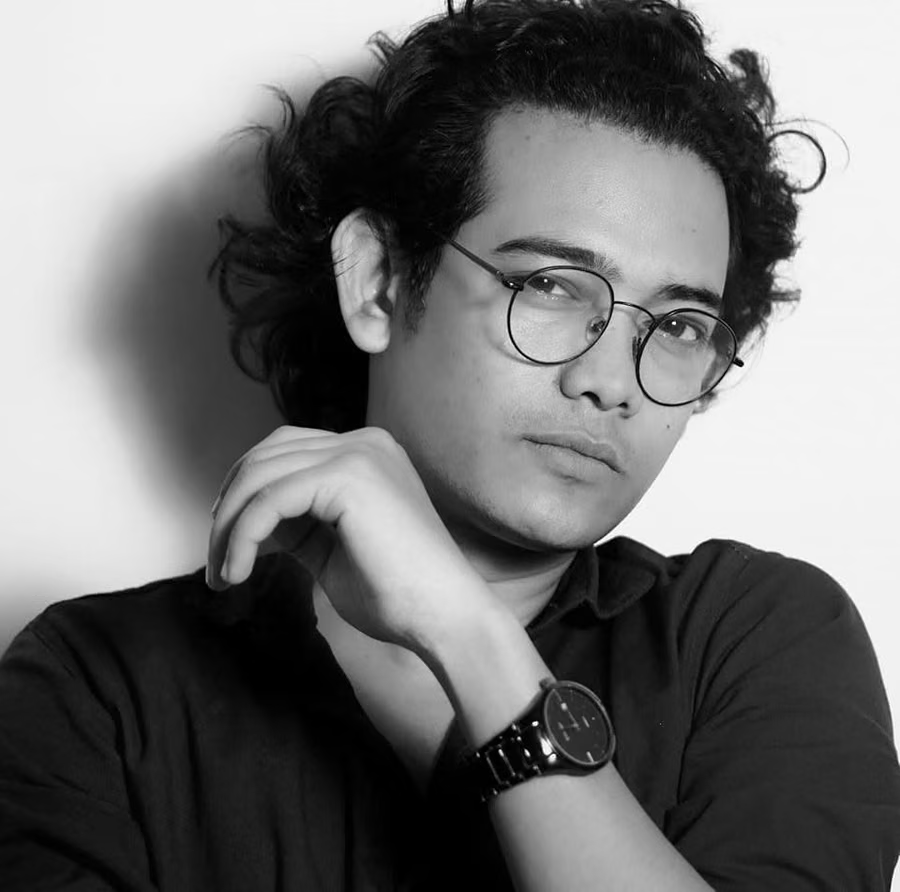
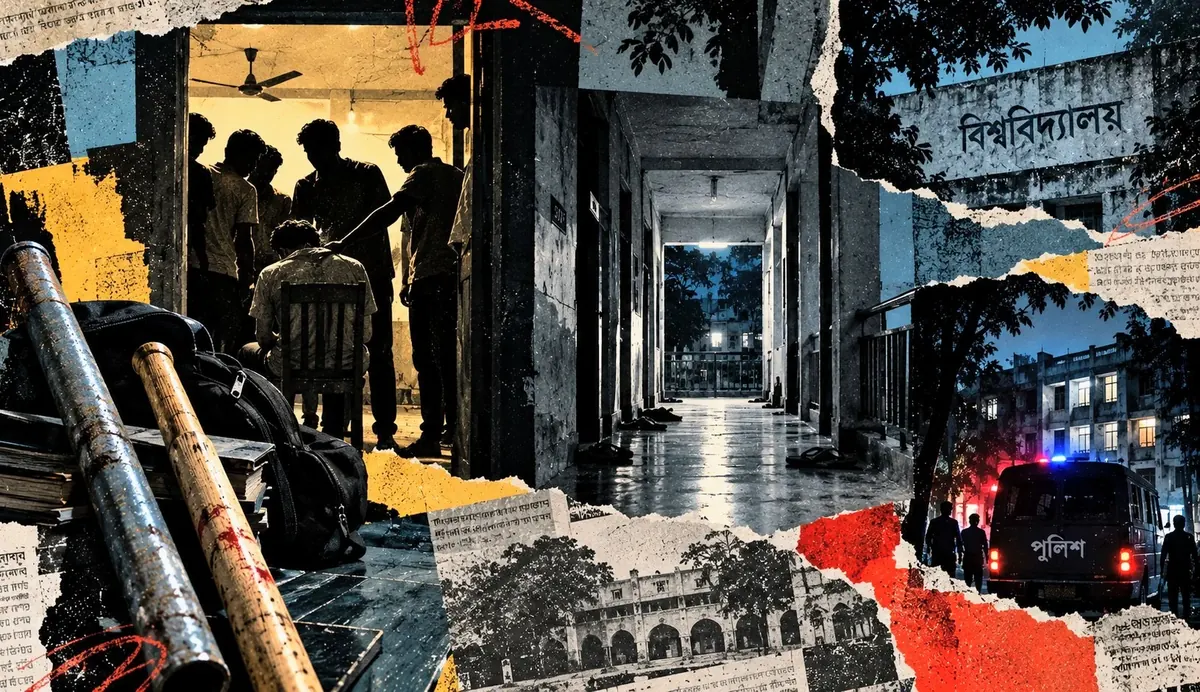
On 7 October 2019, Abrar Fahad’s killing took me back to years of watching students at Rajshahi University being beaten after they were labelled “Shibir”. I wrote about it that day. Seven years later, the political labels have changed, but the question I asked then has not.
Abrar Fahad was found beaten to death at Bangladesh University of Engineering and Technology on 7 October 2019. I was then The Daily Star’s Rajshahi University correspondent.
Abrar, a second-year electrical and electronic engineering student, had been questioned by Chhatra League men over suspected links to Islami Chhatra Shibir before he was killed.
The news immediately took me back to something I had watched, reported and photographed repeatedly at Rajshahi University: students being picked up, beaten and then handed over to police after being labelled “Shibir suspects”.
What follows, with only light editing for clarity, is what I wrote that day.
The Licence We Gave Them
The news: “Abrar beaten to death on suspicion of Shibir links.”
Over the previous four years at Rajshahi University, I had seen many incidents like this. Students from different departments and academic years were locked inside rooms and beaten simply on suspicion of being involved with Shibir. There was, in effect, a rather well-established “system” for it.
The sequence was almost always the same.
First, they would be picked up, taken to some student leader’s room and made to sit in a row. Then, as usual, leaders and activists would take turns beating them at their leisure — on the soles of their feet, their knees and their elbows. Along with repeated kicks and punches, they would use iron rods, GI pipes, bamboo or wooden sticks, cricket stumps and whatever else was available.
When the attackers had finally grown tired of beating them, and word of the incident had begun to spread, the injured students would be carried out — sometimes virtually on people’s shoulders and backs — and handed over to police.
I had photographed that final scene many times: students who had just been beaten on suspicion of being Shibir being put into police vans.
In fact, it was while taking those photographs again and again that I learnt how to successfully capture that familiar news image — “an accused being taken into a police van”.
That is what worries me.
I had seen this kind of beating repeatedly in almost every residential hall at Rajshahi University. And I can say with confidence that it happened right under the nose of the university administration. Hall provosts and other authorities knew about it.
Yet in none of the incidents I witnessed did I see a hall provost or the university proctor take any effective action.
All these years, why did none of the relevant authorities act? Why did they not?
I do not know.
They did not seem to ask another basic question either: why were these students being beaten?
Is it acceptable on a university campus to grab someone and beat him simply because he is suspected of something?
Fine. Leave that aside for a moment.
Did anyone even ask whether those students actually belonged to Shibir?
And even if they did, did that give anyone the right to seize them, take them to a hall guestroom or a student leader’s room, and beat them indiscriminately with rods and pipes?
I am fairly certain nobody bothered to ask that either.
Another question was never really raised: who were the people doing the beating?
Who were they to beat someone?
By what right — or lack of it — were they “beating Shibir”?
Nobody asked.
At least on my campus, I did not hear these questions being raised. I did not see the city’s writers, intellectuals or teachers raising them either.
So, after all these years in which no such questions were asked, nobody protested, and apparently no consciences were disturbed, what exactly is the problem now that Abrar is dead?
He was beaten on suspicion of being Shibir too, wasn’t he?
For years, you gave people the licence to beat others on that suspicion.
And they beat him.
Perhaps, while beating him, they simply made a mistake and killed him.
That is all, isn’t it?
So leave it.
Why not ignore this one too, just as you ignored the others?
Please, do not perform outrage now. Do not launch movements now.
Thank you.
Postscript — 7 October 2026
Seven years later, I would not change the question at the heart of what I wrote that morning.
Bangladesh’s political landscape has changed. Chhatra League, whose Buet leaders and activists were convicted over Abrar’s murder, is now banned. The balance of power on university campuses has changed as well.
But the question has not gone away.
In July this year, three Rajshahi University students were beaten by Rucsu and Islami Chhatra Shibir leaders and activists. One was accused of being linked to the banned Chhatra League.
In March, a Dhaka University student alleged that activists of Jatiya Chhatra Shakti beat him after labelling him a Chhatra League member before he was handed over to police.
The political labels are different. The actors are different. The wider political circumstances are different.
The question is not.
If someone has committed a crime, there is a legal process for dealing with it. Political identity, allegation or suspicion cannot give one group of students the authority to detain, interrogate or beat another.
That was what I was trying to say on 7 October 2019, in anger and sarcasm, after years of watching those scenes at Rajshahi University.
Seven years later, I might express it more calmly.
But I would still ask the same question:
Who gave you the right to beat him?