Govt redesigns non-formal education for four crore people: Bobby Hajjaj
New programmes target adults, out-of-school children and adolescents with literacy and skills training
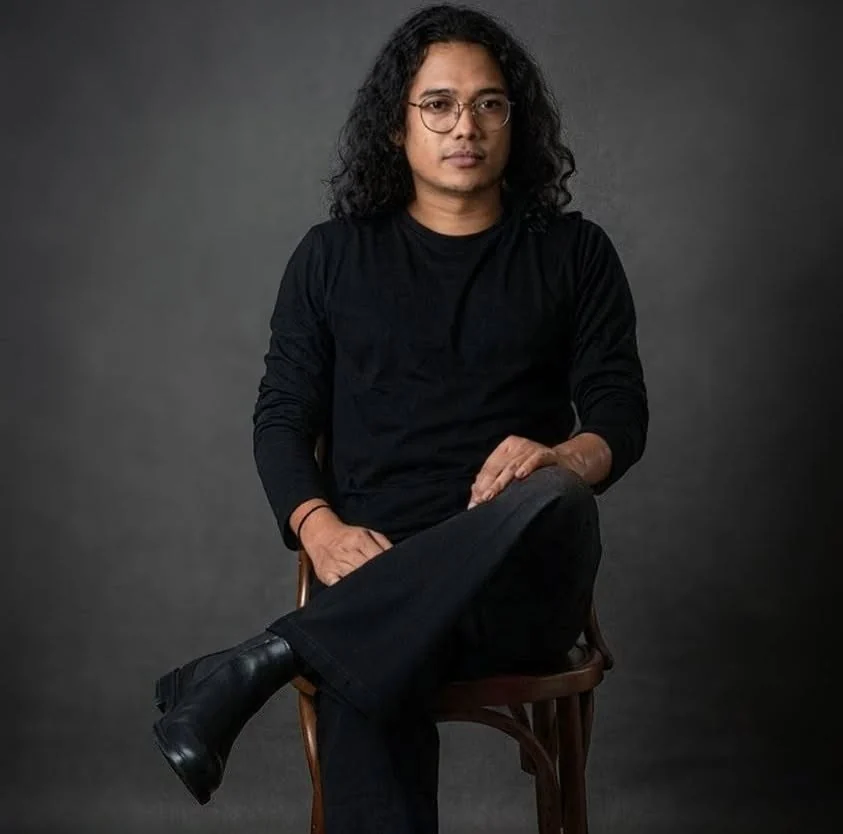
The government is redesigning its non-formal education programmes to bring nearly four crore people, who remain outside literacy and formal education, into learning and skills development, State Minister for Primary and Mass Education Bobby Hajjaj said today.
Speaking at a programme marking International Literacy Day 2026 at the Bureau of Non-Formal Education (BNFE) auditorium in Dhaka, he said non-formal education needed to become more effective and result-oriented to meet the needs of this large population.
“The biggest constituency among all education-related ministries and departments is actually non-formal education. It is around four crore people,” Bobby said.
According to the ministry, the country’s literacy rate is now 77.9 percent, leaving around 22 percent of the population illiterate.
Bobby said the target group includes adults who remain illiterate as well as children who are out of school. The government’s goal is to ensure that no child remains outside school and that learners receive value-based and skill-based education.
“Skill-based education is the education through which a person can build a career,” he said.
Under the Adult Literacy and Functional Ability Enhancement (ALFA) programme, 35,000 illiterate men and women in 40 upazilas of 40 districts will initially receive practical literacy training. Based on the pilot, the programme will later be expanded to cover 45 lakh people aged 25 to 45.
The government is also expanding programmes for out-of-school children and adolescents.
Under the Alternative Learning Opportunity (ALO) programme, 19,200 children aged 10 to 14 in selected upazilas of all 64 districts will receive basic education up to Class 5. Another 19,200 youths aged 15 to 24 will receive livelihood skills training.
Bobby said different age groups needed different approaches. Children aged 4 to 14 should be brought into formal education through accelerated foundation learning, while programmes for those above 14 should combine literacy with skills development.
The government also plans to expand the Skills Focused Literacy for Out-of-School Adolescents (SKILLFO) programme.
Under the Cox’s Bazar pilot, 6,825 adolescents received basic literacy, numeracy and pre-vocational training in 13 occupations. In another programme in 58 district headquarters, 4,440 out-of-school adolescents received 460 hours of training.
Of 4,312 registered learners, 4,198 were assessed as competent and 3,882 received job linkages. Among them, 603 entered direct employment, 879 joined apprenticeships and 1,304 became entrepreneurs, according to ministry figures.
Primary and Mass Education Secretary Jesmin Nahar said literacy should not be limited to reading, writing or signing one’s name.
She said true learning means being able to understand others, communicate properly and apply knowledge in real life. The government is also focusing on learning outcomes through Foundational Literacy and Numeracy (FLN) assessments, she added.
At the event, non-formal education awards were given to individuals and organisations for their contributions.
Mohammad Solaiman Ali received the individual award for his contribution to solar technology and agricultural innovation through self-learning and practical experience.
The event was chaired by BNFE Director General Monowara Ishrat. Additional Secretary Md Mokhlesur Rahman attended as a special guest and also spoke at the programme.