Children need stronger foundational skills before AI use: Milon
Stresses need to involve teachers before introducing AI in educational institutions
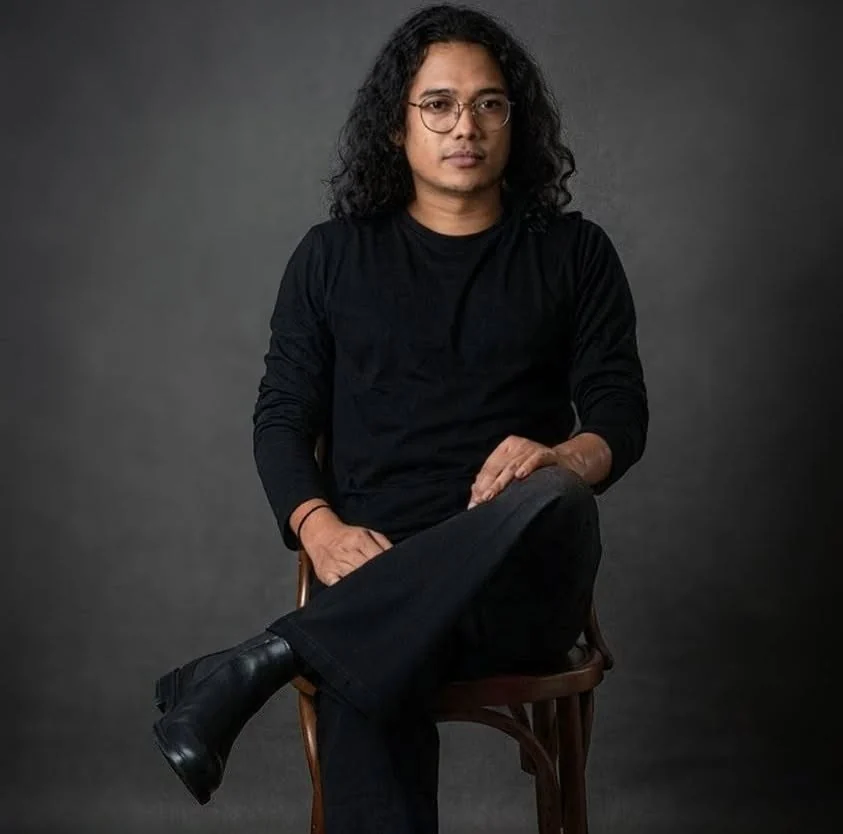
Bangladesh needs to improve children’s foundational learning skills before they can safely and effectively benefit from artificial intelligence (AI), Education and Primary and Mass Education Minister ANM Ehsanul Hoque Milon said today.
He made the remarks while speaking at a session titled “Education in the age of AI” at UNESCO’s Digital Learning Week 2026 in Paris, according to a press release.
Milon said gaps in foundational learning remain a challenge for children in Bangladesh.
He said improving students’ reading, reasoning and verification skills would be necessary to ensure they can make the best use of AI safely.
The minister also stressed the need to involve teachers before introducing AI in educational institutions.
He said teachers should be included in pilot projects, procurement decisions, evaluation and correction processes before AI is introduced.
Milon said AI saves time in many areas, but it cannot be used in every situation.
He said Bangladesh cannot afford to remain behind because AI has become a necessity.
However, he said institutions should not depend only on automated systems for decisions such as teacher recruitment, promotion, evaluation or disciplinary action.
The minister said AI is being widely used across the world, but its success should not be measured only by the number of users, number of pilot projects or level of participation.
“Bangladesh has to assess AI based on learning outcomes, teachers’ workload, equity, safety and cost-effectiveness,” he said.
He also stressed the need to consider how and to what extent teachers could be involved in AI-related initiatives.
Representatives from 25 countries attended the session, according to the press release.
UNESCO’s Digital Learning Week 2026 is being held in Paris from September 8 to 11. This year’s theme is “Education in the age of AI: Facts, Frictions, Frontiers”.
Milon is scheduled to participate in a plenary session titled “Teachers at the center: Agency, competencies and the teacher-student relationship” tomorrow.