Draft law may enable repression, surveillance: TIB
The draft Cyber Security (Amendment) Act, 2026 poses serious risks to fundamental human rights and freedom of speech and expression, Transparency International Bangladesh said yesterday.
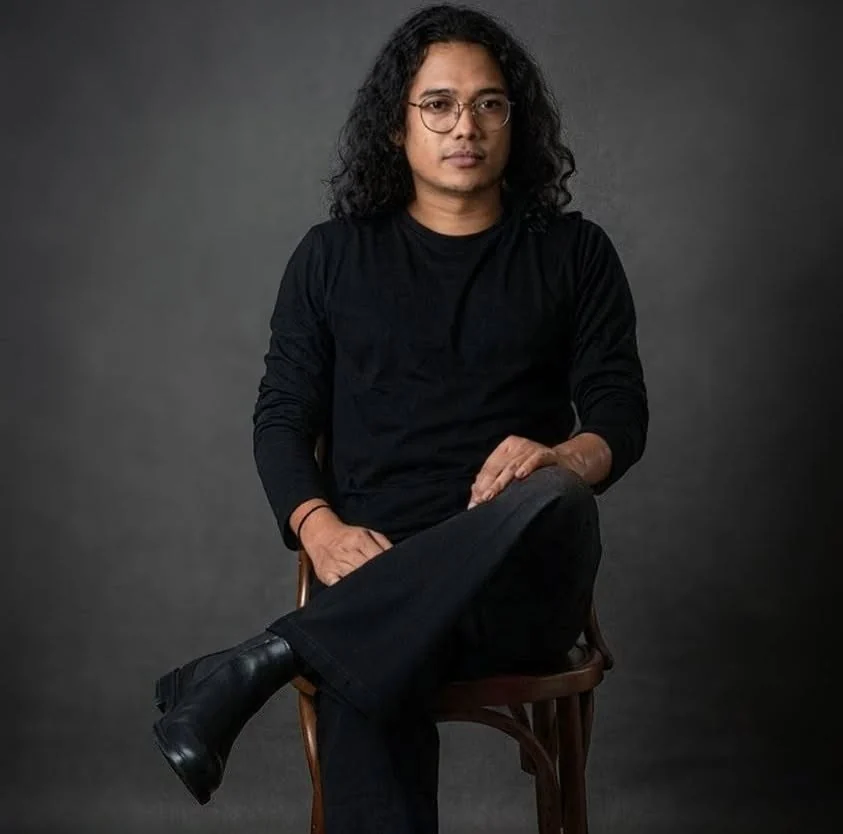
The draft Cyber Security (Amendment) Act, 2026 poses serious risks to fundamental human rights and freedom of speech and expression, Transparency International Bangladesh said yesterday.
It also called for a comprehensive revision of the proposed law in line with stakeholder views and international best practices.
In a statement, TIB Executive Director Iftekharuzzaman said the draft creates scope for “risky and deliberate misinterpretation and misuse”, raising the prospect of human rights violations.
If approved in its current form, the law could turn Bangladesh’s cyberspace into an environment of unchecked surveillance, impunity and repression, Iftekharuzzaman warned.
He said definitions of terms including “rumour”, “misinformation”, “demeaning”, “defamatory” and “insulting to the state” could facilitate deliberate misinterpretation and targeted misuse, particularly against freedom of speech and fundamental rights.
The definitions of “sexual harassment” and “sextortion” are also “unprofessional and incomplete”, he said, creating scope for concealing the actual nature of crimes, protecting accused persons and depriving victims of their rights.
TIB also raised concerns over Section 46(2), which makes an offence under Section 23 non-bailable.
The provision introduces vaguely defined concepts such as “friendly relations with a foreign state” and acting “for the benefit of a foreign state or any person or group”, Iftekharuzzaman said.
“The lack of clear definitions and the potential practical implications of these provisions, which in many cases could be determined at the discretion of those in power, create significant scope for abuse and could seriously threaten dissent and freedom of speech,” he said.
TIB also questioned the composition of the proposed 28-member National Cyber Security Council, which would include the prime minister but only two private-sector experts on information technology or human rights.
TIB proposed that, subject to the establishment of an independent and neutral National Cyber Security Council, the power to formulate rules should rest with the council rather than the government.
It also criticised a provision protecting council members, officials and employees from criminal and civil action for acts carried out in “good faith”.
“Such immunity is inconsistent with the fundamental principle that ‘everyone is equal in the eyes of the law’,” Iftekharuzzaman said.