Police and media have no right to shame detainees
A police outpost stood barely 30 yards from a house in Purbachal where “drug parties” had apparently been held for nearly a year.
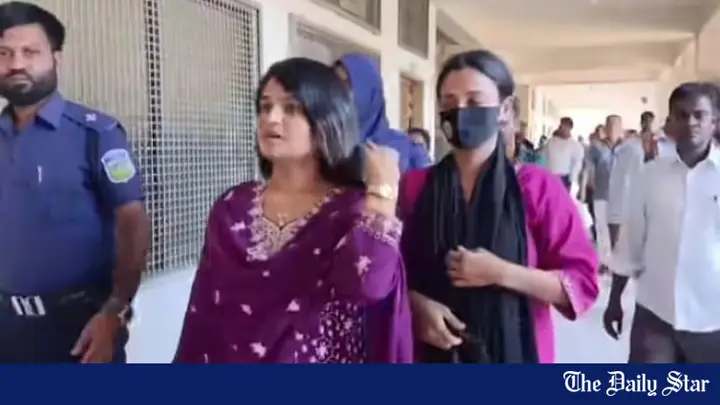
A police outpost stood barely 30 yards from a house in Purbachal where “drug parties” had apparently been held for nearly a year. The house belonged to a senior police officer. When detectives finally raided it early Tuesday, October 20, 85 people—26 women and 59 men—were detained and sentenced to varying terms of imprisonment.
Thanks to the broadcast of the raid and the disclosure of the backgrounds of these otherwise affluent detainees by a section of the media, the episode has since generated considerable curiosity on social media. Ideally, the questions following such a raid should have concerned the police and the alleged offences: what the police knew, why the gatherings and DJ parties went unchecked for so long if they were being held illegally, and what evidence justified the sentences imposed. Some of the media coverage, however, turned elsewhere: Who were their fathers? Where did they study, work, or live? These personal details along with the footage, supplied by the officers themselves, established nothing about the alleged offences. Yet, such public exposure and shaming of people caught in police operations have become routine, both among law enforcers and in sections of the media, despite repeated High Court directives against parading detainees before cameras.
The Daily Star found that residents often saw cars outside the Purbachal property and heard loud music late at night. Local police acknowledged knowing about the gatherings but denied prior knowledge of drug-related activities. Officers of the Detective Branch (DB), however, alleged that 20 to 22 parties were held monthly, accusing the property’s owner, Additional DIG Abdullah Al Jahir, of obtaining profits from them. Jahir, however, disputed the allegations, saying he had rented out the premises for private functions and prohibited drugs.
DB’s limited seizure list, however, raised questions about the police accounts of widespread drug consumption, especially given that the nearly three-hour raid led to the detention of 85 people. Among the items recovered were one yaba tablet, some bottles of liquor, and a small quantity of a substance described as “kush”. When asked, investigators claimed the participants had already consumed drugs before the arrival of officers. That explanation warrants scrutiny alongside the evidence and procedures underpinning the summary proceedings. Limited physical recovery alone does not establish that the sentences were unjustified, but how each sentence was reached, why “unlawful” gatherings went unchecked for so long, or whether the police followed due process during the raid are matters of public interest.
The test for the media, meanwhile, is straightforward. Did the coverage establish what evidence supported the sentences, how the premises were supervised, and whether anyone received preferential treatment? These questions need documents and verification, not pictures or videos sensationalising the raid. Yes, naming someone convicted of an offence can serve the public interest. A person’s identity, family connections, or place of employment may help verify information or uncover a wider network of wrongdoing. But these details do not deserve publication merely because they are readily available. If a relative of the detainees participated in wrongdoing or an employer helped conceal it, that is a story worth investigating. Without such evidence, why should their identities enter a crime report?
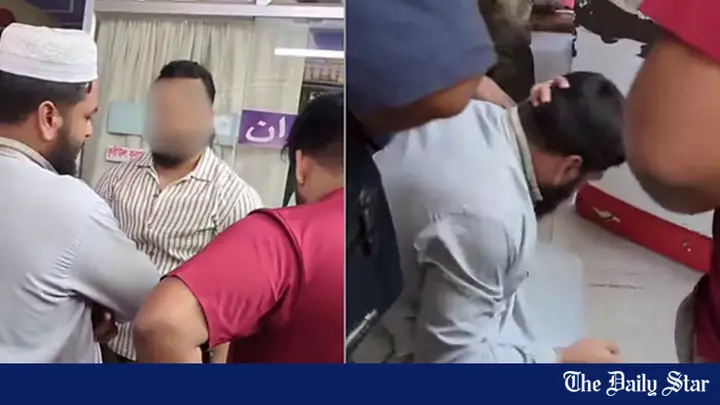
For police, their responsibility begins before anything reaches a newsroom. Officers control a scene, determine who can enter, and have custody of those detained. This puts them in a position of power, making it particularly important that they ensure the dignity and privacy of detainees. Journalists can observe police operations, but no one should be compelled to uncover their face for a camera. Unfortunately, this distinction was also disregarded during an August raid at a residential hotel in Abdullahpur, where video footage showed female officers trying to uncover detained women’s faces. One woman was crying, and an officer was seen threatening violence if the women kept their faces covered.
The practice extends beyond cameras brought by journalists, however. A September investigation by Prothom Alo identified 107 Facebook accounts run by police officers. Videos posted there, showing encounters with members of the public, attracted large audiences. But under Article 10.12 of the Bangladesh Police Social Media Use Guidelines 2025, officers cannot post photographs or videos of their operations without prior approval. Police Headquarters, in the same report, acknowledged violations and said action had been taken against some officers. It remains unclear how consistently such violations are detected and addressed, particularly when they attract little public attention.
In 2012, the High Court directed law enforcers not to expose arrested or detained people before the media, describing such conduct as illegal and unconstitutional. In 2015, it asked the police chief to stop presenting accused persons before cameras prior to their court appearances. A 2019 ruling called for regulations governing the presentation of detainees and the disclosure of information while investigations are under way. The constitution also points in the same direction: Article 31 protects people against actions detrimental to their reputation except in accordance with law, while Article 39 guarantees freedom of the press, subject to restrictions provided by law. Importantly, these interventions concern the treatment and exposure of detainees by law enforcers; they do not amount to a ban on reporting arrests, investigations, etc.
In fact, filming police operations can sometimes be essential. Video evidence can expose an unlawful search, an assault, or a misleading official account. Where influence has been used to obstruct justice, identifying those responsible can be essential to accountability. The question here is not whether cameras should be present at a crime scene, but what they record, who controls access to the footage, and what editors choose to publish. The Society of Professional Journalists’ code makes it clear that journalists’ ethical responsibilities go beyond what they can legally obtain and broadcast. Producers choose the footage, digital editors select the clips and thumbnails, and news editors decide whether to name relatives or employers. Each has a responsibility to ask whether a certain detail advances the public’s understanding or merely satisfies curiosity.
That said, failings along that line must not become a pretext for giving the state new powers over journalism. Such powers could just as easily be used to suppress footage exposing official abuse. The answer lies instead in enforcing professional standards within news platforms, explaining difficult editorial decisions, and correcting errors across videos and social media posts, not just in written articles. Police Headquarters should also publish clear procedures governing camera access during raids but, at the same time, take responsibility for how they investigate and discipline officers who violate existing instructions.
The questions raised by the Purbachal raid remain, and the police must answer them. As for journalists, they must think what purpose their disclosure of detainees’ faces and personal details—especially those of women—served. Did these help uncover wrongdoing, or did they simply turn people in police custody into objects of public humiliation? If they added nothing to the public’s understanding of the alleged offences, why were they necessary? We cannot demand accountability from the police while refusing to account for our own editorial decisions.
Arafat Rahaman is a journalist at The Daily Star. He covers education and writes on governance, rights, and public accountability. He can be reached at [email protected].
Views expressed in this article are the author's own.
Follow The Daily Star Opinion on Facebook for the latest opinions, commentaries, and analyses by experts and professionals. To contribute your article or letter to The Daily Star Opinion, see our guidelines for submission.