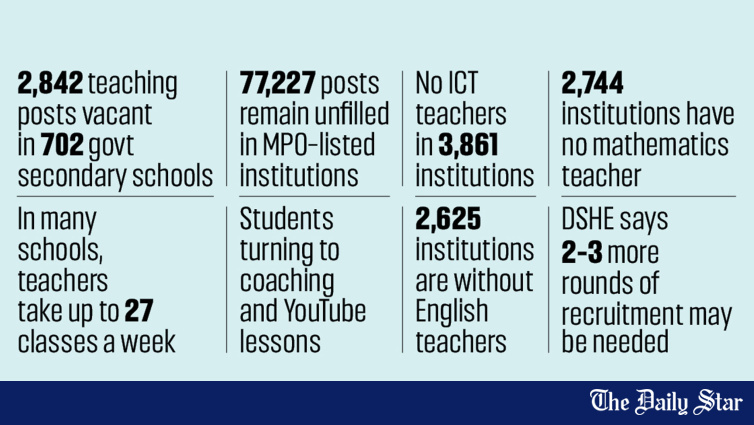
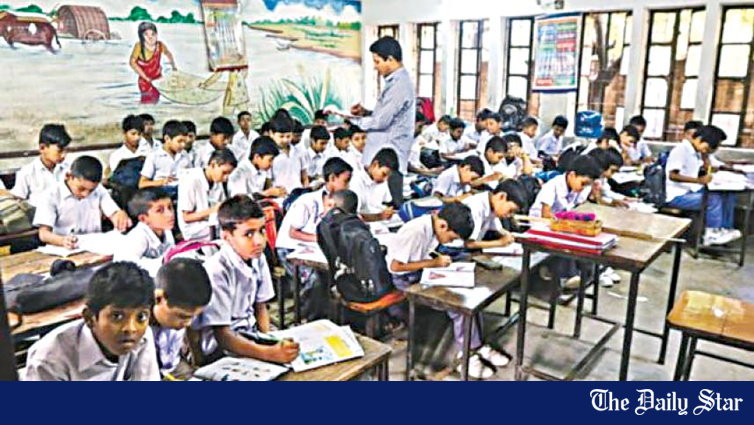
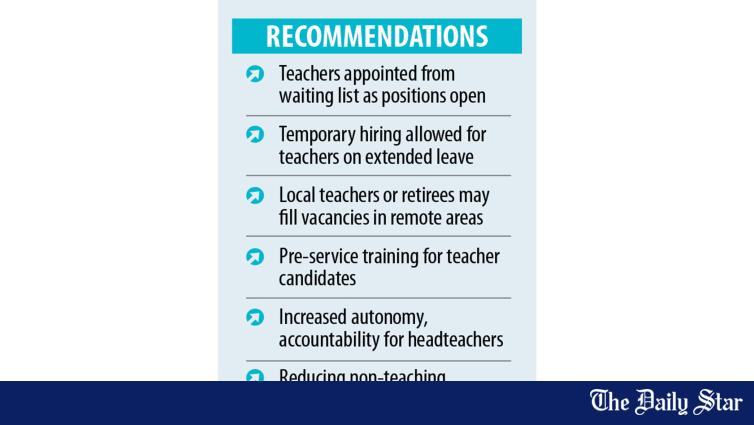
Persistent shortages of teachers have been disrupting classroom learning at secondary schools across the country, forcing many institutions to overburden teachers of key subjects including mathematics, English and ICT, and reduce the frequency of practical classes.
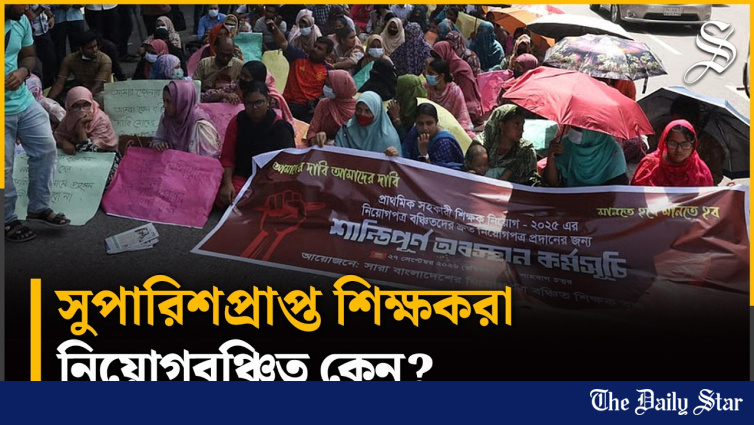
Government primary schools across Bangladesh are struggling to keep lessons on track as headteacher posts remain vacant in more than half of the institutions while thousands of assistant-teacher positions also remain unfilled, putting extra pressure on teachers and disrupting classes.
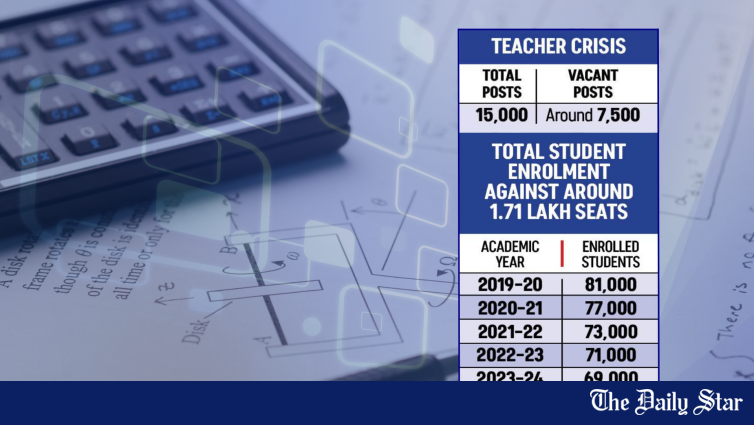
Bangladesh’s technical education sector is facing a slow-burning crisis, shaped by a severe shortage of teachers, poor infrastructure, and steadily declining student interest.
Twenty-two public universities, who held cluster admission tests for the 2021-22 academic year, could not start classes on time due to lengthy migration of freshers.
The authorities of Mawlana Bhasani Science and Technology University (MBSTU) in Tangail appointed four teachers against two vacant positions, ignoring the recruitment circular and recommendations of academic planning committees.